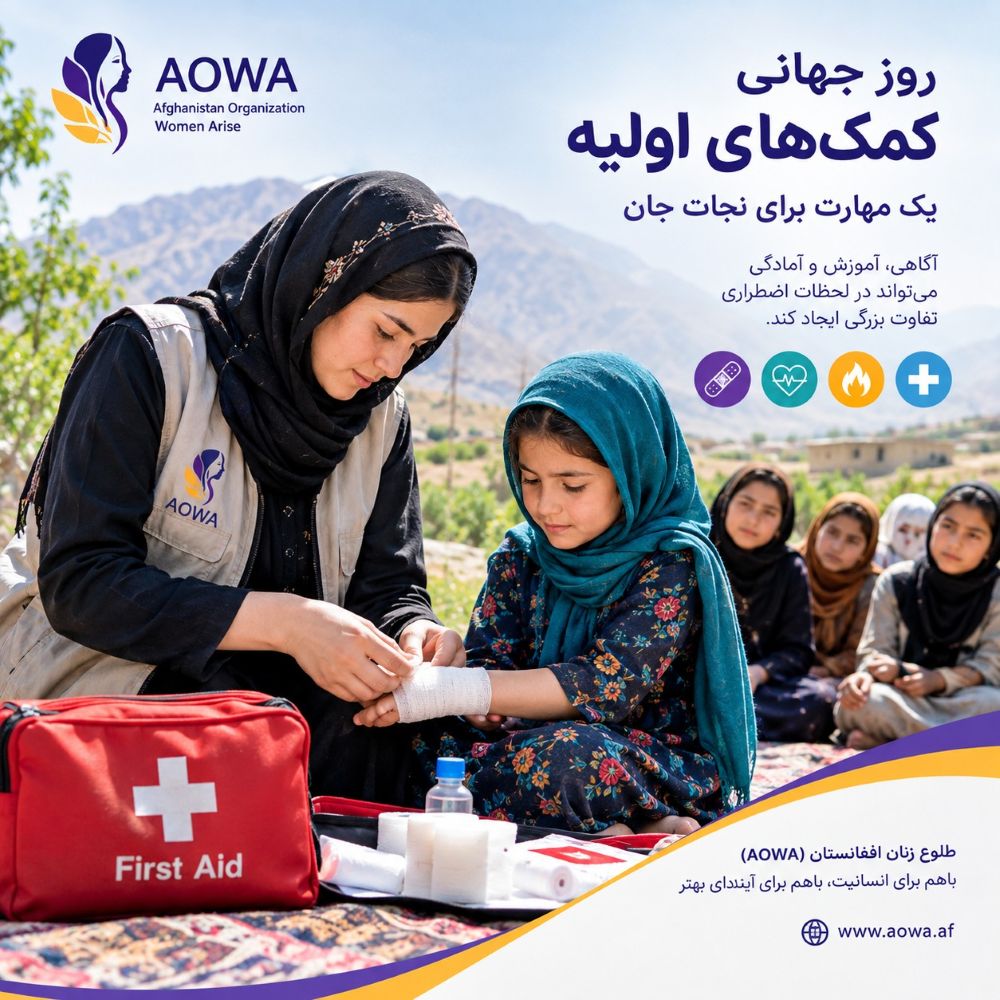
Every year, the second Saturday of September is observed as World First Aid Day. In 2026, this observance falls on 12 September. It is an opportunity to raise public awareness about the importance of first aid and the role of first-aid training in protecting lives during emergencies. The International Federation of Red Cross and Red Crescent Societies also emphasizes the importance of first-aid education for individuals and communities.
First aid refers to the immediate and appropriate actions taken to care for a person who needs urgent assistance following an accident, injury, or sudden health condition. In many situations, it may take several minutes or longer before health workers arrive or the person can be transferred to a health facility. Having basic knowledge and the ability to respond appropriately during this period can help prevent further harm and, in some circumstances, help save a life.
First-aid training is not only for health workers or specialists. Family members, teachers, young people, office staff, and other community members can also receive appropriate training to respond more responsibly when an accident occurs. Awareness of how to respond to situations such as injuries, bleeding, burns, unconsciousness, and other emergencies can improve the preparedness of individuals and families. However, first aid is not a substitute for professional medical diagnosis and treatment, and serious cases should receive professional health care as soon as possible.
The importance of this knowledge becomes even clearer when an accident occurs at home, at school, in the workplace, on the road, or in a public place. In such moments, staying calm, assessing the situation, preventing further harm, and seeking help in a timely manner can be very important. A knowledgeable person may be able to play an effective role in caring for an injured person during the first few minutes, until professional help arrives.
First aid is also part of community preparedness for accidents and emergencies. Families and communities that are more aware of potential risks and have learned essential basic skills can respond with greater preparedness and responsibility when an emergency occurs. Teaching these skills to children and young people can also strengthen a culture of responsibility, empathy, and helping others within the community.
In 2026, World First Aid Day focuses on first aid in migration settings, highlighting the importance of access to and awareness of first aid for people experiencing displacement and migration. This emphasizes that first aid should be as accessible as possible to different people and communities and adapted to their circumstances.
Afghanistan Organization Women Arise (AOWA) considers health and health awareness among its important areas of work and believes that increasing health awareness and basic health skills can contribute to more prepared and empowered families and communities. First-aid training, alongside health awareness and prevention, can be part of collective efforts to reduce harm and provide better support to people during emergencies.
World First Aid Day reminds us that sometimes simple knowledge, one right decision, and a few minutes of responsible action can make a significant difference in a person’s life.