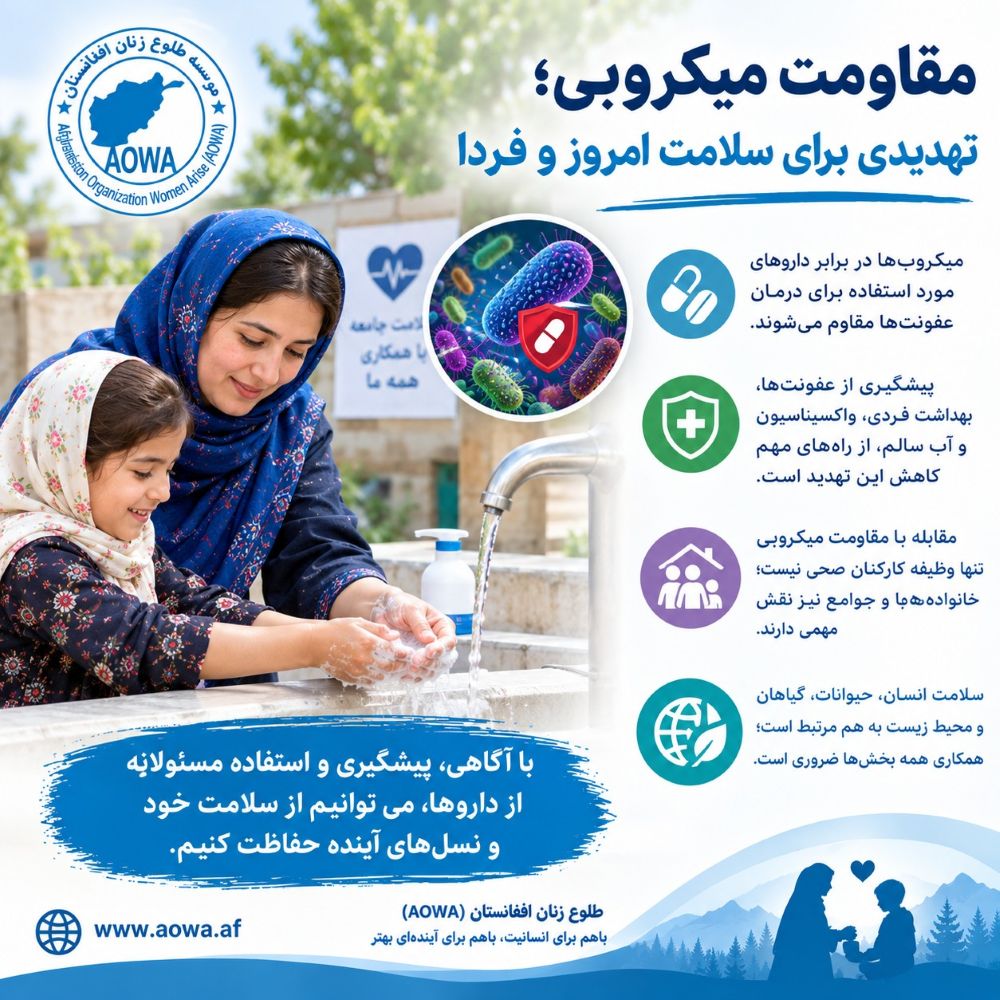
Antimicrobial resistance is one of the major global health challenges and is not limited to one person or one disease. It occurs when microorganisms such as bacteria, viruses, fungi, and parasites become resistant to the medicines used to prevent or treat infections. When this happens, some infections become more difficult to treat, increasing the risk of disease spread, serious complications, and death.
Antimicrobial resistance can occur naturally, but the inappropriate and excessive use of antimicrobial medicines can accelerate the development and spread of resistance. This is particularly important in relation to antibiotics because as bacteria become more resistant, some medicines used to treat bacterial infections may lose their effectiveness.
The impact of antimicrobial resistance goes beyond making an illness last longer. When fewer effective medicines are available, treating infections can become more complicated and costly, and some medical procedures, including surgery, can become more difficult and risky. Antimicrobial resistance can also affect animal health, food production, and the environment.
Preventing infections is one of the important ways to reduce the need for antimicrobial medicines. Regular handwashing, food hygiene, access to safe water, maintaining a clean environment, vaccination, and following infection prevention and control measures can all contribute to reducing the spread of many infections.
Antimicrobial resistance is not only a health-sector issue. The health of people, animals, plants, and the environment is closely connected. For this reason, addressing antimicrobial resistance requires cooperation among the health, agriculture, livestock, environmental, and other relevant sectors. This integrated approach is commonly known as One Health.
Families and communities also have an important role to play. Increasing awareness about infectious diseases, using medicines responsibly, seeking advice from health workers at the appropriate time, and following good hygiene practices can help reduce the risk of infections and antimicrobial resistance. Public awareness becomes more effective when families, health workers, health facilities, educational institutions, and communities work together to protect health.
Addressing antimicrobial resistance is not a short-term task. It requires continued attention and cooperation. The World Health Organization’s updated global action plan for 2026–2036 emphasizes infection prevention, appropriate use of antimicrobial medicines, vaccination, surveillance, and cooperation across different sectors.
Afghanistan Organization Women Arise (AOWA) recognizes the importance of health awareness and education and considers public awareness on health-related issues an important part of efforts to build a more informed and empowered society. Increased awareness can help individuals and families make better-informed decisions about disease prevention and the responsible use of health services and medicines.
Protecting the effectiveness of antimicrobial medicines is important not only for health today, but also for future generations. Preventing infections, maintaining good hygiene, vaccination, increasing awareness, and using medicines responsibly are steps that all of us can take to help reduce this threat.