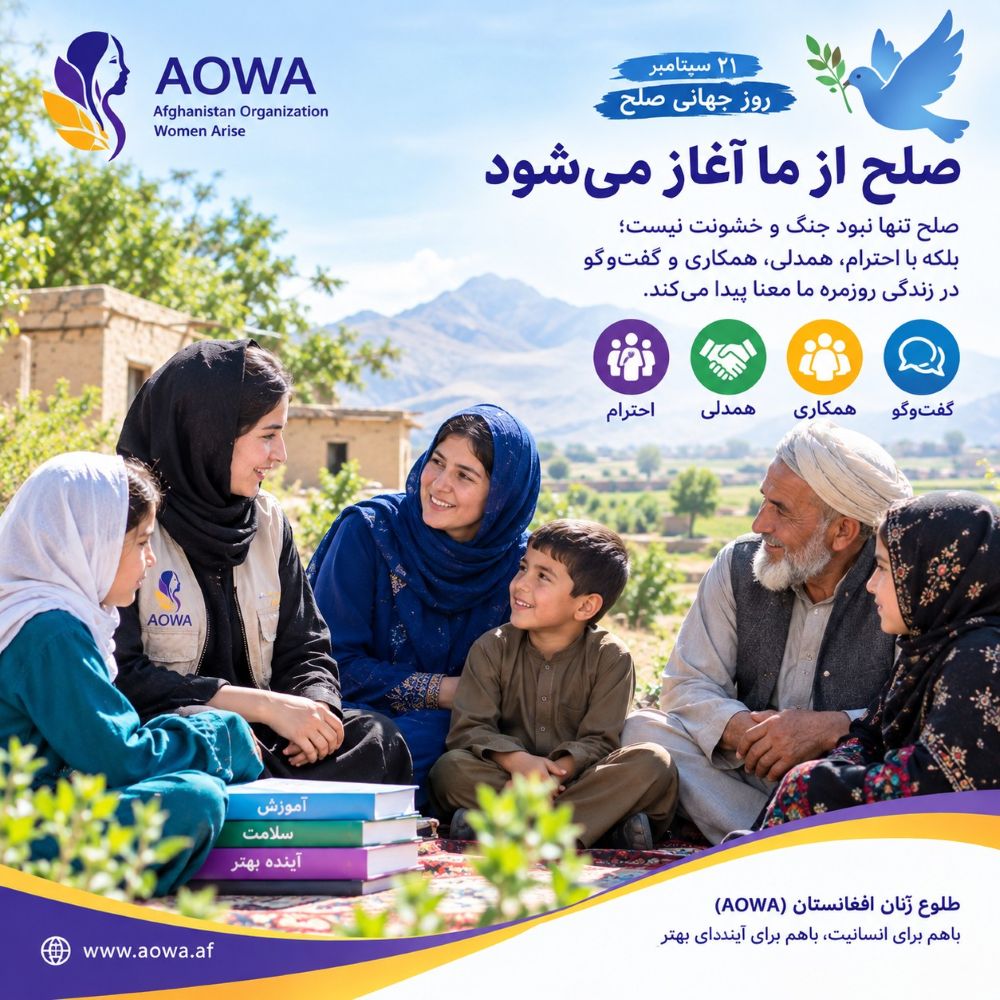
Peace is one of the fundamental needs of human life and an important foundation for the growth and development of communities. A society where security, respect, cooperation, and trust exist provides better conditions for education, health, economic development, and a life with dignity. Therefore, peace is not only the absence of war and violence; it is also connected to security, respect, opportunity, and cooperation in everyday life.
Every year, 21 September is observed as the International Day of Peace. In 2026, the day is observed under the theme “Invest in Peace – For Everyone, Everywhere, Every Day”, with particular attention to people who contribute to building trust, cooperation, and peace through their everyday efforts in families, neighborhoods, and communities.
Peace begins with our everyday behavior. Respecting others, listening to different perspectives, avoiding violence, resolving disagreements through dialogue, and supporting people in need are examples of actions that can help create a calmer and more supportive environment in families and communities. Sometimes a peaceful conversation can prevent a major disagreement, while respectful behavior can help build trust between people.
The family is the first environment where many human values are learned. A child who experiences respect, empathy, cooperation, and peaceful conflict resolution at home is more likely to apply these values in relationships with others. For this reason, a culture of peace begins within families and can then extend to schools, neighborhoods, and wider communities.
Education and awareness also play an important role in building peaceful societies. Education can help people better understand different perspectives, make responsible decisions, and use peaceful approaches to address challenges. Young people can also play an important role in building a more peaceful and hopeful future through positive participation, cooperation, and dialogue.
Peace and the reconciliation of relationships also hold an important place in Islamic teachings. The Holy Qur’an states:
“وَالصُّلْحُ خَيْرٌ”
“And reconciliation is better.”
(Surah An-Nisa, 4:128)
This message reminds us of the importance of reducing disagreements, maintaining good relationships, and choosing peaceful approaches in social life.
Peace also requires respect for human dignity and rights. When people feel respected, heard, and treated with fairness and dignity, trust and cooperation within a community can grow stronger. Creating supportive and inclusive communities can therefore be part of the collective effort to build lasting peace.
Afghanistan Organization Women Arise (AOWA) believes that building informed, responsible, and supportive communities can create better conditions for a better life and a more peaceful future. Education, awareness, community participation, and attention to people’s real needs can help strengthen trust and cooperation among individuals and families.
The International Day of Peace reminds us that peace is not only the responsibility of governments and major institutions; every person can contribute to peace through respectful behavior, constructive dialogue, sincere cooperation, and acts of kindness.
Peace begins with us; with our behavior, our families, and the communities we build together.